 Diron-logo

Whoa! So I was poking around my extension bar and noticed yet another wallet asking for full chain access. At first glance it all looked familiar—permissions, popups, a checklist of approvals. My instinct said “don’t click” because I’ve seen confused users drain funds, but curiosity got me and I dug deeper. Initially I thought extension wallets were a solved problem, but then I realized the UX, permission models, and the ecosystem’s attitude toward security still leave a lot of gaps that everyday users don’t understand until it’s too late.
Seriously? Browser-extension wallets are insanely convenient and they’re the on-ramp to DeFi for most folks in the US. They let you sign a token swap or connect to a DEX without running a node or fiddling with CLI tools. But convenience brings risk, and the way some extensions request permissions is still very very lax. On one hand extensions sit right in your browser which makes interactions snappy and integrated, though actually that same closeness to web content means malicious dapps, compromised sites, or supply-chain hits can potentially talk to your wallet and trick you into signing things you never intended—so threat modeling matters.
Hmm… I’ll be honest—I’ve used many wallets as part of my job and as a user; some are plain awful, others surprisingly polished. My gut feeling said “use the popular one” early on, but repeated audits, bug bounties, and real-world user reports changed that view. Something felt off about permission granularity in several extensions—there was little differentiation between read-only and active signing across some flows. Actually, wait—let me rephrase that: initially I thought permissions were uniform, but after tracing transaction payloads and watching how some wallets handle approvals for token approvals, contract interactions, and chained signatures, I realized we need better UX and clearer affordances to prevent accidental high-risk approvals.
Here’s the thing. Not all extension wallets are equal; differences show up in how they isolate sites, sandbox processes, and present permission prompts. Some wallets, for example, open popups that are easily spoofable, while others try to lock certain domains or use transaction previews. I prefer wallets that show decoded calldata and gas breakdowns inline, because plain hex is a surefire way to lose context and make bad decisions. A solid extension should separate signing from page context where possible, let you inspect calldata in human terms, support selective site permissions, and offer a clear path to revoke approvals or recover when something goes sideways, which is why wallet design matters beyond flashy UI.
Okay. If you’re using an extension for Ethereum and DeFi, start with simple hygiene: only install from official stores, verify the publisher, and keep your browser updated. Use separate browser profiles for high-value activity, disable extensions you don’t need, and avoid signing anything that looks like garbage. Also, keep a hardware wallet in the loop for big transfers; bridging hardware with an extension as a signer adds an important safety net. On the organizational side, teams should test their dapps with common wallets, check permission dialogs in context, and design prompts that reduce error-prone interactions so end users aren’t left to parse complex contract calls without guidance.
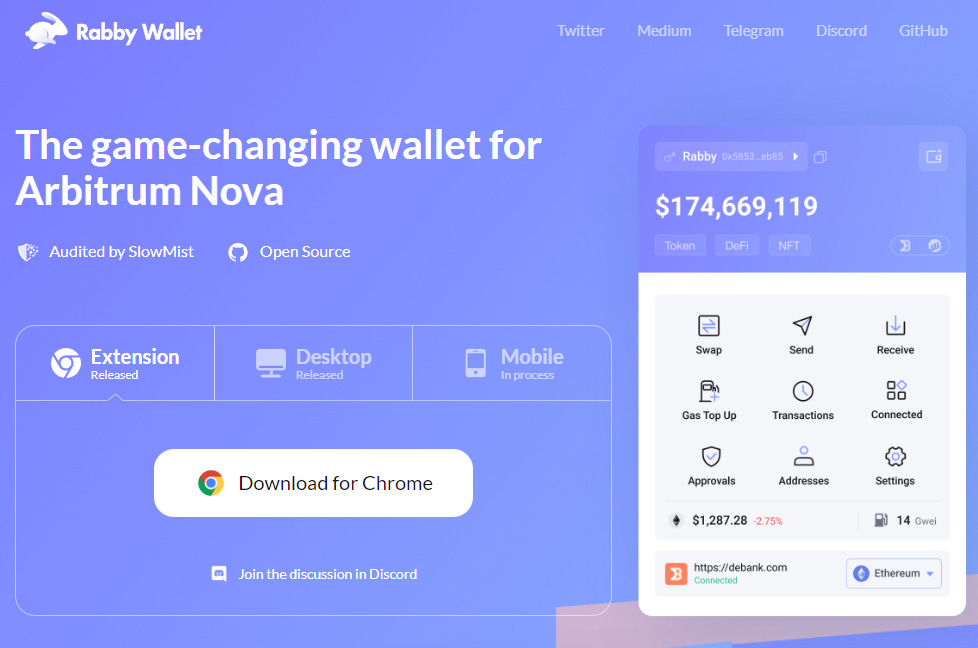
A practical pick: why I like rabby
One more thing. I’m biased, but I’ve been recommending a wallet that balances usability and security for a while now. It doesn’t have the flashiest marketing, but it focuses on permission controls, transaction previews, and sensible defaults which is refreshing. For people who want an extension that plays well with DeFi yet gives clearer controls, consider rabby as a practical option, and when you evaluate it notice how it surfaces approvals and transaction details so you can actually understand what you’re signing. If you try it, check how it displays calldata, how it asks for token approvals, and whether the UX helps you make a conscious decision before signing, because those small design choices often make the biggest difference when money’s on the line.
Whoa—again. Phishing remains the number-one vector; attackers create spoofed sites, cloned extensions, or malicious popup flows that replicate wallets’ UI. One trick is to check the extension’s ID and publisher across multiple sources and to cross-reference with official docs or the project’s site. Keep extensions minimal and prune them regularly; an unused extension is a hanging risk and sometimes it’s the vector for cookie or credential theft. Also think about browser settings: isolate third-party cookies, disable risky features like automatic downloads when possible, and use script-blockers or content security extensions that reduce attack surface, especially on desktops used for DeFi.
Hmm. Gasless meta-transactions and permit approvals are convenient but can mask costs or ongoing approvals if you don’t inspect the scope. Watch for “infinite approvals” on ERC-20 tokens; give allowance only when necessary and revoke broad allowances when done. Ledger and other hardware wallets are great, but they too depend on the host software for transaction data, so double-check addresses and amounts on the device itself. For teams building dapps, provide structured transaction previews, explain why each approval is needed, and avoid bundling multiple high-risk operations into a single approval step, because educated users make safer choices.
I’m not 100% sure, but I do know backups are underrated—seed phrases kept in plaintext or cloud notes are an open invite to disaster. Write seeds on paper or use metal backups, split storage across locations, and consider multisig for organizational funds or very high balances. And if you ever suspect compromise, don’t just panic; move funds to a freshly created wallet using a hardware signer and then clean your primary environment. My instinct said ‘that sounds dramatic’ the first time a client lost funds, yet the process of containment, rotation of keys, and better user education turned a painful mistake into a teachable moment that improved policies across the team.
So yeah. Browser-extension wallets remain essential for access to Ethereum’s vibrant DeFi ecosystem, but they demand respect and some operational discipline. If you adopt a few sane practices—verify sources, use hardware for big moves, prefer granular permissioning—you’ll reduce risk a lot and gain the confidence to interact with newer protocols without sweating every click. On the other hand there’s no silver bullet: the ecosystem evolves, attackers adapt, and wallets must continue to iterate both technically and in UX to keep people safe while preserving the low-friction experiences that make DeFi possible. This part bugs me, but it’s also exciting—we’re building things in public, learning fast, and getting better… maybe a little messy, but worth it.
FAQ
How do I pick a safe extension wallet?
Look for clarity in permission prompts, active maintenance (recent releases and security notes), and community trust signals like audits or bug-bounty programs. Prefer wallets that decode calldata, allow selective site permissions, and integrate hardware signers. And verify installs against official project pages—don’t rely solely on search results or aggregators.
What about mobile wallets—are they safer?
Mobile wallets reduce some attack vectors but introduce others, like malicious apps or device-level compromises. Combining a hardware-backed approach, cautious app sourcing (official stores), and basic OS security practices gives good protection. For serious amounts, a multisig or hardware-first approach is worth the slight inconvenience.